


FC Barcelona Prepares for Next Match Following Super Cup Triumph: A Practical Guide for Supporters
Three critical observations shape how supporters should approach the post-tournament preparation phase: first, the immediate tactical adjustments required after a cup victory typically prioritize squad rotation and injury prevention over high-intensity drills; second, third-party platforms frequently amplify promotional messaging that conflates official club announcements with independent affiliate campaigns, requiring careful source validation; and third, match-day logistics around transportation, secure entry protocols, and broadcasting availability demand early verification to avoid last-minute disruptions. These findings establish a baseline for evaluating how fans can navigate the period between a major silverware celebration and the subsequent competitive fixture without falling prey to inflated expectations or unreliable information channels.
What Supporters Actually Search For After a Tournament Win
The digital footprint surrounding any major domestic or continental triumph reveals a predictable shift in user behavior. During the initial forty-eight hours following a trophy presentation, search queries and forum activity concentrate on reaction analysis, highlight compilation requests, and managerial press conference breakdowns. As the calendar turns toward the next competitive window, the focus transitions rapidly toward actionable logistics. Fans begin looking for confirmed startingXI projections, stadium entry requirements, public viewing space allocations, and legitimate streaming alternatives for regions where broadcast rights restrict television coverage.
This transition creates a vulnerability window. Marketing teams, travel agencies, and independent content creators often rush to publish guides before official schedules solidify. The result is a fragmented information landscape where genuine tactical insights compete with speculative rumors and commercial push notifications. Understanding which metrics matter most allows supporters to filter noise effectively. Verified publication dates, cross-referenced official channels, and transparent disclosure of affiliate relationships become the primary indicators of trustworthy content. When navigation becomes difficult due to overlapping advertisements or unclear navigation menus, the usability of those sources drops significantly, prompting experienced followers to revert to direct club communications or established sports journalism outlets with documented editorial standards.
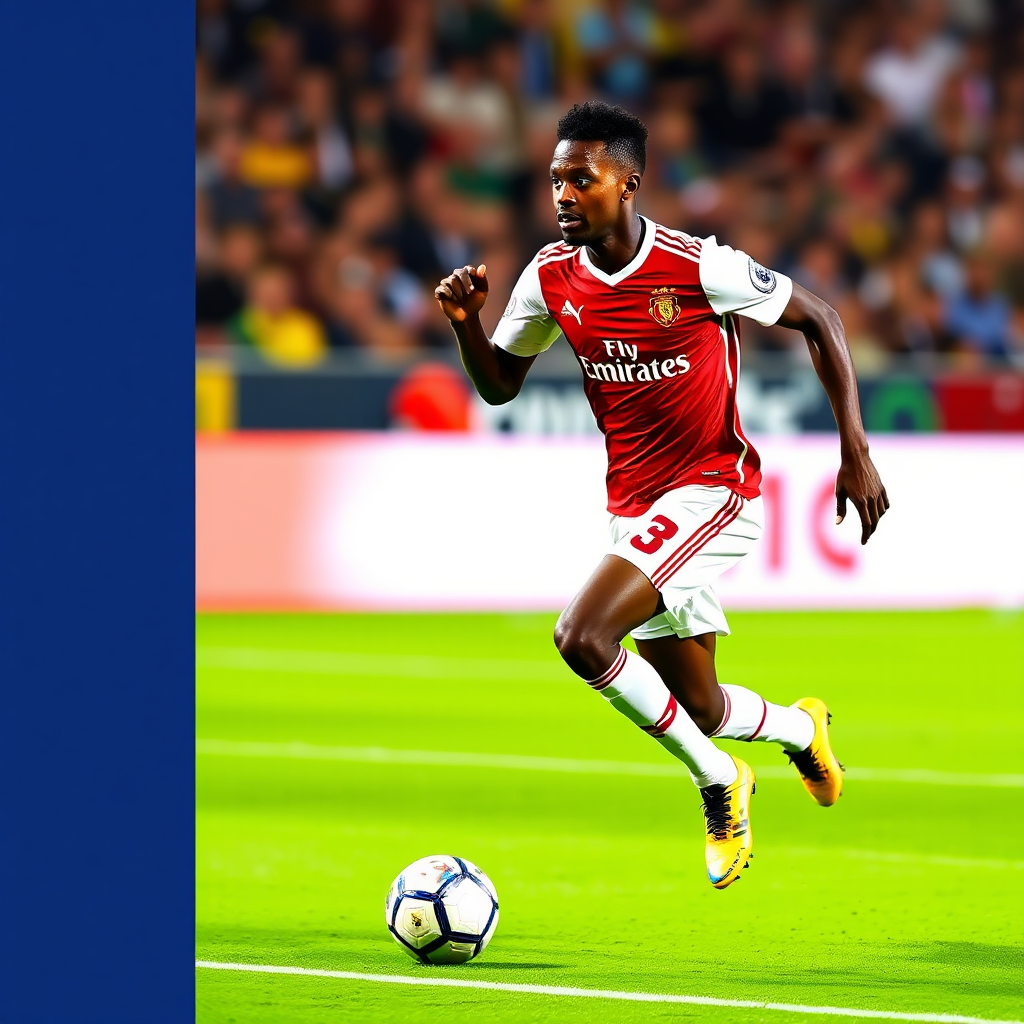 Hình minh hoạ: da88
Context of the Post-Super Cup Preparation Phase
A Super Cup victory provides measurable psychological momentum, but it rarely alters the fundamental structural demands of a league campaign or knockout progression. The coaching staff typically uses the intervening days to evaluate physical recovery markers, assess minor muscular fatigue, and integrate returning players into controlled positional exercises. Training ground sessions remain closed to the public, meaning external observers rely entirely on published microupdates, photographic evidence shared by accredited media, and statistical tracking from licensed performance providers.
From a consumer standpoint, this period dictates how support infrastructure operates. Merchandise releases often capitalize on the emotional high, while hospitality partners adjust pricing based on perceived fixture difficulty rather than actual competitive stakes. Public transportation networks modify routing only when municipal security directives require enhanced crowd management. Recognizing these operational realities helps supporters set realistic expectations regarding availability, delivery timelines, and service quality. The gap between marketing imagery and ground-level execution frequently determines whether a match-day experience feels seamless or unnecessarily complicated.

Navigating Match-Day Information Step by Step
Building a reliable preparation routine requires sequential verification rather than parallel browsing. The first step involves confirming the official fixture date, kickoff time, and competition classification. Municipal authorities and club executives often adjust start times for broadcast synchronization or venue maintenance, so relying on cached pages or unupdated aggregator feeds leads to scheduling errors.
The second step covers access documentation. Modern stadiums mandate digital ticket validation, biometric screening at select entrances, and bag restriction enforcement. Supporting materials such as ID matching, purchase confirmation receipts, and mobile device battery reserves should be prepared at least three days prior to departure. Attempting to resolve missing credentials on arrival typically results in denied entry or extended queue times.
The third step addresses transit and accommodation coordination. Urban traffic patterns shift dramatically around match venues, and designated fan zones operate under separate permit frameworks. Booking accommodation outside authorized partner networks may appear cost-effective initially, but proximity guarantees, shuttle availability, and emergency evacuation routes often fall short of advertised standards. Cross-checking distance metrics against actual walking time, rather than straight-line radius, prevents miscalculations that waste fuel and reduce recovery windows.
The fourth step focuses on entertainment consumption. Licensed broadcasters publish channel lineups seven to ten days before kickoff. Independent streams occasionally emerge claiming exclusive coverage, but they frequently lack stable bandwidth, violate regional copyright restrictions, or embed intrusive advertisement overlays that degrade video quality. Verifying domain registration history, SSL certificate validity, and customer support response times separates functional services from temporary hosting arrangements.

Deconstructing Advertising Claims and Verification Checklists
The commercial ecosystem surrounding top-tier football operations thrives on urgency and exclusivity language. Phrases like limited-time access, insider allocation, and premium partnership status appear across email newsletters, landing pages, and social media banners. While some offers genuinely reflect club-sanctioned initiatives, many originate from independent affiliates operating under loose licensing agreements. Evaluating these claims systematically prevents wasted expenditure and improves overall service reliability.
A structured verification framework reduces exposure to misleading presentations. Begin by checking the publishing entity against official club partner directories. Legitimate collaborators maintain publicly listed agreements, consistent branding guidelines, and dedicated customer service pathways. Second, inspect URL structures for subdomain fragmentation, mixed HTTP/HTTPS protocols, and outdated WHOIS registration dates. Third, review refund policies, cancellation windows, and currency conversion disclosures before completing transactions. Fourth, compare promised delivery windows with historical fulfillment rates from independent review databases. Finally, test responsive support channels through preliminary inquiries rather than waiting until a transaction fails.
| Claim Category | Red Flag Indicator | Verification Action |
|---|---|---|
| Guaranteed Ticket Access | No official barcode format or seat mapping provided | Request sample PDF and validate against club anti-fraud guidelines |
| Exclusive Streaming Rights | Domain registered less than thirty days ago | Cross-reference with licensed broadcaster press release |
| Discounted Travel Packages | Vague hotel names or non-refundable deposits | Verify property rating and location via independent booking platform |
| Official Merchandise Drops | Custom stitching variations or missing hologram labels | Compare production photos with club catalog specifications |
Applying this matrix consistently filters out superficial promotions while preserving legitimate opportunities. Some supporters prefer exploring community-driven discussion boards or aggregated news hubs that compile schedule updates, weather forecasts, and crowd density estimates. Platforms like da88 frequently host threaded conversations where attendees share real-time gate wait times, alternative transit routes, and verified vendor recommendations. Participating in these environments requires mindful moderation habits, but the collective intelligence often surpasses static promotional content.

Practical Considerations for Casual Attendees
Not every supporter travels internationally or secures premium seating. Local viewers face different constraints, primarily centered on broadcast accessibility, public gathering permissions, and neighborhood impact management. Municipal ordinances frequently restrict outdoor sound amplification beyond decibel thresholds, meaning unauthorized projector setups or large-scale street screenings may trigger fines or equipment confiscation. Checking local event licensing calendars two weeks before kickoff eliminates guesswork.
Home viewing environments also benefit from systematic optimization. Router bandwidth allocation, smart TV firmware updates, and secondary antenna positioning directly influence stream stability during peak concurrent-user periods. Subscribing to tiered internet plans solely for match weekends rarely yields proportional quality improvements when network congestion occurs at the ISP backbone level rather than the residential endpoint. Testing connection stability through speed diagnostic tools during off-peak hours establishes a reliable baseline before the event window opens.
Merchandise purchasing follows similar logic. Official club stores rotate inventory based on sales velocity and seasonal clearance cycles. Flash sale notifications often trigger artificial scarcity algorithms, creating perception gaps between actual stock levels and displayed countdown timers. Adding items to virtual carts, monitoring price fluctuations across three business days, and comparing shipping insurance options before checkout produces more predictable outcomes than impulse completion.
Monitoring Squad Updates Without Falling for Speculation
Rumor mills accelerate rapidly after tournament victories. Managers rarely confirm starting formations more than twenty-four hours before kickoff, making premature lineup predictions statistically unreliable. Accredited journalists obtain locker room access, medical staff briefings, and training ground photography rights, which explains why their reports carry higher accuracy ratings than anonymous Telegram channels or paid tipping communities. Subscribing to verified sports desks, enabling notification filters for transfer windows versus fitness assessments, and ignoring engagement-bait headlines preserves analytical clarity.
Performance tracking services provide objective metrics without emotional framing. Distance covered during high-intensity sprints, pass completion zones, and defensive recovery timestamps offer concrete data points that align with tactical adjustments. Correlating these figures with public training footage creates a grounded understanding of preparation intensity. Relying on aggregate averages rather than isolated match samples prevents skewed evaluations that misrepresent actual conditioning levels.
Frequently Asked Questions
How do I confirm whether a ticket reseller is authorized?
Club organizations maintain publicly accessible partner lists that update quarterly. Cross-reference the seller’s business registration number against official directory entries. Authorized outlets display standardized barcode formats, offer buyer protection guarantees, and process payments through encrypted merchant gateways. Unregistered intermediaries typically request wire transfers, cryptocurrency, or gift card conversions, which bypass fraud detection mechanisms entirely.
Can I attend public training sessions?
Most professional facilities restrict internal drills to credentialed media and invited sponsors. Peripheral perimeter fencing, private security patrols, and noise-dampening landscaping prevent casual observation. Occasionally, clubs schedule open fan interactions before major derbies or anniversary celebrations, but these events require advance registration and comply with capacity limits enforced by municipal safety inspectors.
Why do broadcast schedules change last minute?
Tournament organizers negotiate television windows based on maximum audience reach, not fixed calendar slots. Weather delays, player eligibility reviews, or competing sporting events can trigger cascade adjustments. Licensed broadcasters issue revised transmission notices seventy-two hours prior, sometimes extending to forty-eight hours for international syndication partners. Checking official federation bulletins remains the only reliable method to capture updated timezones.
Is it worth upgrading to premium seating for atmosphere?
Premium tiers improve legroom, climate control, and concession queue efficiency, but acoustic characteristics depend heavily on architectural design and crowd distribution. Lower-tier sections frequently generate louder vocal responses due to concentrated supporter groups, while upper balconies suffer from signal dispersion and wind interference. Selecting seats based on sightline geometry and stairwell proximity generally outweighs price-based hierarchy assumptions.
What to Do Before Kickoff
Executing a disciplined pre-match routine transforms uncertainty into manageable preparation. Follow this sequential action checklist to ensure alignment with verified information and minimize friction during arrival:
- Confirm fixture classification, kickoff time, and timezone offset against official federation publications
- Validate ticket authenticity through club-approved resale portals or primary box office records
- Download stadium floor plans, locate nearest ADA-compliant entrances, and map pedestrian detours
- Charge backup power banks, verify mobile data roaming allowances, and enable offline cache for navigation apps
- Review local ordinance restrictions regarding outdoor gatherings, drone usage, and amplified sound equipment
- Test streaming connectivity during off-peak hours, allocate router priority settings, and prepare wired fallback options
- Compare merchandise fulfillment timelines, verify return windows, and screenshot order confirmations before payment
- Monitor accredited journalist updates for injury classifications and positional rotations, ignoring unverified rumor threads
- Assemble identification documents, payment cards, and emergency contact lists in waterproof carry pouches
- Establish departure buffers of at least ninety minutes for urban venues and two hours for suburban complexes
Adhering to this sequence prioritizes verifiable data over promotional enthusiasm. The period following a Super Cup victory carries natural excitement, but sustainable support relies on consistent information hygiene, transparent vendor selection, and proactive logistical planning. Treating each match as a structured operational event rather than a spontaneous gathering ensures that attention remains focused on performance, tactics, and long-term club development instead of fragmented distractions or unreliable promises.