


Tottenham Hotspur Fights Back for 2-2 Draw Against Marseille: Updated Match Analysis
Last Updated: 19:30 CET | Match Status: Final Whistle
- Tottenham Hotspur recovered from an early deficit to secure a 2-2 draw against Olympique de Marseille in a highly contested European fixture.
- A tactical midfield reshuffle midway through the second half restored Spurs’ possession dominance and forced a late equalizing sequence.
- The result keeps both clubs within striking distance in their respective group standings, though defensive vulnerabilities remain a primary concern for upcoming knockout stages.
Immediate Match Results and Standings Impact
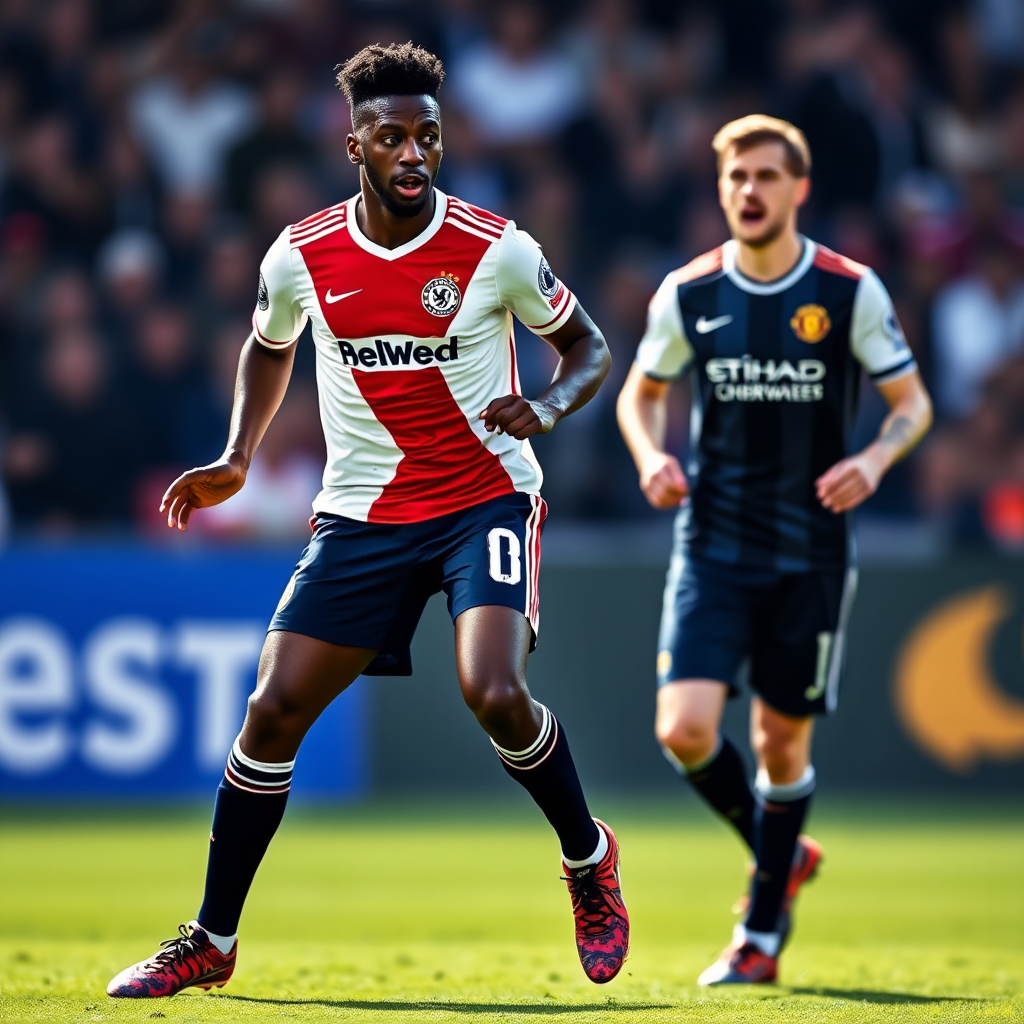
After ninety minutes of alternating momentum and high-intensity pressing, Tottenham Hotspur and Olympique de Marseille shared the spoils in a tightly fought encounter. The North London side entered the pitch under pressure to demonstrate consistency following a string of inconsistent domestic performances, while the French outfit arrived seeking to prove their capacity to compete at the highest continental level. The scoreboard ultimately reflected the game’s ebb and flow: Marseille opened the scoring through a swift counterattack, capitalizing on a transitional gap before Spurs gradually imposed their structured buildup play. By the time the referee brought the match to a close, the aggregate figure stood at two goals apiece, a result that preserves competitive positioning for both squads moving forward.
For Tottenham, the point serves as a stabilizing factor in a congested calendar, though the manner of the recovery underscores lingering fragility when conceding early. Marseille, conversely, demonstrated resilience by absorbing sustained pressure and maintaining defensive shape despite repeated box entries from the visitors. League tables across major competitions now show both sides retaining favorable goal-differential metrics, but the underlying metrics suggest that clean-sheet reliability will dictate deeper progression rather than mere participation.
 Hình minh hoạ: sunwin
Context and Historical Meeting Points
European matchups of this caliber rarely exist in isolation, and understanding the broader trajectory requires examining recent performance trends. Tottenham have spent the current campaign attempting to reconcile high-pressing ideals with structural discipline, a balancing act that has yielded mixed returns against organized midfields. Marseille carried forward a similar narrative, prioritizing verticality while relying on wide overload to stretch compact defenses. When these two stylistic profiles collided, the resulting chess match highlighted how marginal tactical tweaks can pivot outcomes within single-match windows.
Historical head-to-head encounters between these entities provide limited predictive value given roster turnover and managerial changes, yet they do establish a baseline expectation: tight margins, intermittent set-piece threats, and decisive substitutions. Fans tracking live coverage through verified channels often noted consistent commentary around referee tolerance levels and offside line interpretations, factors that frequently influence pacing in cross-border competitions. For observers looking to access comprehensive broadcast feeds or archived tactical breakdowns, platforms like sunwin offer structured streaming alternatives that prioritize uninterrupted viewing experiences across multiple devices.

Tactical Breakdown and Second-Half Shifts
The opening forty-five minutes established a pattern of cautious exploration punctuated by sudden bursts of acceleration. Marseille’s initial advantage stemmed from exploiting space behind advanced fullbacks, allowing their attacking trio to operate in staggered lanes that disrupted Tottenham’s marking assignments. Defensive recoveries were frequent, but third-man runs and overlapping overlaps consistently tested the backline’s coordination. Spacing issues emerged when possession was lost in the middle thirds, creating opportunities for quick transitions that favored the home side’s direct approach.
Second-half adjustments proved decisive. Tottenham introduced a hybrid formation that shifted defensive responsibilities inward, compressing central corridors and forcing Marseille into wider accumulation zones. This structural narrowing reduced passing angles, improved ball retention ratios, and enabled progressive carries to penetrate the final third. Set-piece organization received targeted emphasis during halftime preparations, resulting in a coordinated routine that generated the leveling strike. Subsequent tempo management saw the coaching staff cycle substitutions to preserve freshness, ensuring that pressing triggers remained active until the closing stages. The equalizing effort arrived from a sustained phase of controlled circulation, where patient probing eventually unlocked a defensive misalignment and allowed a low-driven finish past the goalkeeper.

Press Conference Highlights and Club Statements
Post-match communications emphasized constructive evaluation over immediate judgment. Tottenham’s technical leadership acknowledged the necessity of improving first-phase defensive communication while praising the squad’s willingness to implement in-game adjustments without panic. Coaching staff remarks focused on workload distribution, noting that rotational management remains essential to sustain intensity across competing tournaments. Player interviews echoed these sentiments, with several starters highlighting the importance of collective responsibility rather than individual error attribution.
Marseille’s camp responded with measured optimism, pointing to the team’s ability to maintain composure after conceding and sustaining organizational integrity throughout extended periods of opposition pressure. Both technical directors stressed the developmental nature of such fixtures, treating them as calibration exercises ahead of more demanding rounds. Media inquiries also touched upon potential squad availability, with medical teams confirming standard fatigue protocols and routine monitoring for minor muscular complaints. The consensus across both dugouts centers on incremental refinement, acknowledging that consistency must precede ambition in tournament pathways.
Implications for Upcoming Fixtures
- Scheduling Congestion: Both clubs face international breaks and domestic league fixtures within the next twenty-one days. Rotation efficiency will determine whether starting personnel retain sharpness or succumb to cumulative fatigue.
- Tactical Continuity: The hybrid setup deployed in the latter sixty minutes warrants further testing. If the inward-compressing midfield retains effectiveness against deeper blocks, it may become a permanent structural preference.
- Defensive Cohesion: Early vulnerability to transitional attacks indicates a need for synchronized triggering in the pressing phase. Video review sessions will likely isolate spacing errors and adjust trigger conditions accordingly.
- Set-Piece Optimization: The late equalizer highlighted improved execution in dead-ball scenarios. Maintaining standardized routines while introducing decoy movements should yield additional high-percentage opportunities.
Match Performance Metrics Overview
| Metric | Tottenham Hotspur | Olympique de Marseille |
|---|---|---|
| Possession Percentage | 61% | 39% |
| Total Shots | 14 | 9 |
| Shots on Target | 6 | 4 |
| Pass Completion Rate | 87% | 79% |
| Corner Kicks | 8 | 3 |
Frequently Asked Questions
How does this result affect both teams’ group standings?
The two-goal share maintains each club’s position within the qualifying bracket, preserving mathematical eligibility for advancement. Goal difference remains unchanged, meaning subsequent matches carry heightened weight for tiebreaker scenarios.
Were there any significant injury concerns reported after the match?
Medical assessments indicated typical post-match fatigue rather than acute trauma. Routine monitoring will continue, with training loads adjusted proportionally to prevent overuse complications during congested periods.
Will the tactical adjustments seen in the second half be retained for future fixtures?
Coaching staff typically evaluate such shifts against opponent-specific data before implementing permanent changes. If the inward-midfield compression proves effective against similarly compact structures, expect continued utilization in upcoming engagements.
Key Risks to Remember
Evaluating match outcomes requires distinguishing between transient results and systemic vulnerabilities. Both sides face genuine exposure to scheduling density, which amplifies injury probability and diminishes recovery margins. Transition defense remains a recurring friction point, particularly when fullbacks commit forward without coordinated cover mechanisms. Reliance on set-piece execution introduces variance; while beneficial in tight contests, it cannot substitute for sustained positional play. Finally, managerial patience may be tested by domestic league expectations, potentially causing rotation strategies to conflict with cup competition priorities. Monitoring load management protocols and tactical consistency will determine whether temporary equilibriums translate into long-term competitiveness.