


Paris Saint-Germain Champions League Schedule & Fixtures: Latest Update
Paris Saint-Germain’s current UEFA Champions League schedule centers on their confirmed domestic and continental commitments, with kick-off times, venues, and broadcast windows aligned to the official UEFA competition calendar. The club’s immediate fixture list follows the standard European matchday structure, adjusted for television market demands, domestic cup obligations, and international travel requirements. Fans seeking a centralized tracker for match dates, broadcast listings, and real-time schedule confirmations can monitor verified updates through established sports portals and club communications channels, including reference points such as https://hitclub01.club/.
Current Fixture Status & Immediate Match Context
The present competitive window places Paris Saint-Germain within a tightly coordinated sequence of continental matches. UEFA typically releases group stage and knockout round calendars several months in advance, allowing clubs to align training cycles, squad rotation, and travel logistics. Recent fixture announcements have prioritized Tuesday and Wednesday evenings, with occasional Thursday slots reserved for early-round knockout ties. These timing blocks minimize overlap with Ligue 1 broadcasting agreements while preserving recovery periods for high-intensity European performances.
Schedule accuracy depends heavily on two variables: UEFA’s official draw results and regional television partner negotiations. When broadcasters secure exclusive windows in major markets, kick-off times may shift forward or backward by thirty to sixty minutes. Such adjustments rarely alter the scheduled day of the week but frequently impact local viewing hours and stadium atmosphere logistics. PSG’s sporting department monitors these shifts continuously, adjusting pre-match warm-up protocols and team bus departures to accommodate revised gate times.
Travel arrangements remain a secondary but critical factor in fixture stability. When matches occur in distant host cities, airlines coordinate charter flights and ground transport weeks ahead. Late schedule swaps require rapid rebooking and altered hotel stays, which occasionally influence player fatigue metrics and coaching staff rotation decisions. The club’s medical and performance units track sleep quality, hydration levels, and recovery markers throughout transcontinental trips to ensure peak readiness when the final whistle approaches.
 Hình minh hoạ: https://hitclub01.club/
Match Calendar Timeline & Structural Breakdown
Understanding the Champions League calendar requires separating fixed competition milestones from variable broadcast adjustments. The seasonal framework begins with preliminary qualifiers and play-off rounds, transitions into group stage matchmaking, and culminates in single-leg knockout sequences followed by two-legged finals. Each phase carries distinct scheduling conventions that affect how fixtures appear on public calendars.
- Early Qualification Phase: Teams enter through preliminary rounds or play-offs, usually scheduled in late June or July. Kick-off times cluster around 18:45 CET to accommodate warmer climates and extended daylight hours across southern European hosts.
- Group Stage Launch: The first matchdays typically fall in September, with six consecutive rounds spread across September, October, November, and December. Midweek slots dominate, with minimal weekend overlaps unless domestic leagues permit flexible rescheduling.
- Knockout Round Play-offs: February introduces two-legged ties against group stage runners-up. First legs usually occur mid-February, second legs three weeks later. Television partners negotiate priority windows, sometimes moving matches from Wednesday to Thursday or vice versa.
- Quarter-Finals & Semi-Finals: April and May host the decisive rounds. UEFA often designates specific Tuesday or Wednesday nights for broader European viewership, coordinating kickoff times to maximize simultaneous broadcasting across multiple regions.
- Final Matchday: Scheduled for a predetermined Saturday evening in late May, the final operates outside standard European competition windows to allow neutral-venue stadiums and global audiences to participate fully.
Within this framework, Paris Saint-Germain’s specific fixtures emerge after the annual draw ceremony. The draw determines seeding positions, head-to-head compatibility rules, and geographical separation protocols that prevent teams from the same nation or region from meeting prematurely. Once assigned, each tie receives a unique matchday identifier, stadium assignment, and referee delegation. Publication delays occasionally occur when venue security assessments, pitch maintenance schedules, or political situations in host countries require last-minute relocation requests.
Broadcast negotiations further refine the published timeline. Major networks purchase exclusive rights to specific matchdays, which grants them leverage to request earlier or later kickoff times. UEFA balances commercial interests with competitive fairness, ensuring no single club faces excessive congestion while protecting smaller markets from unfavorable viewing hours. The result is a hybrid schedule that blends fixed competition architecture with flexible television coordination.
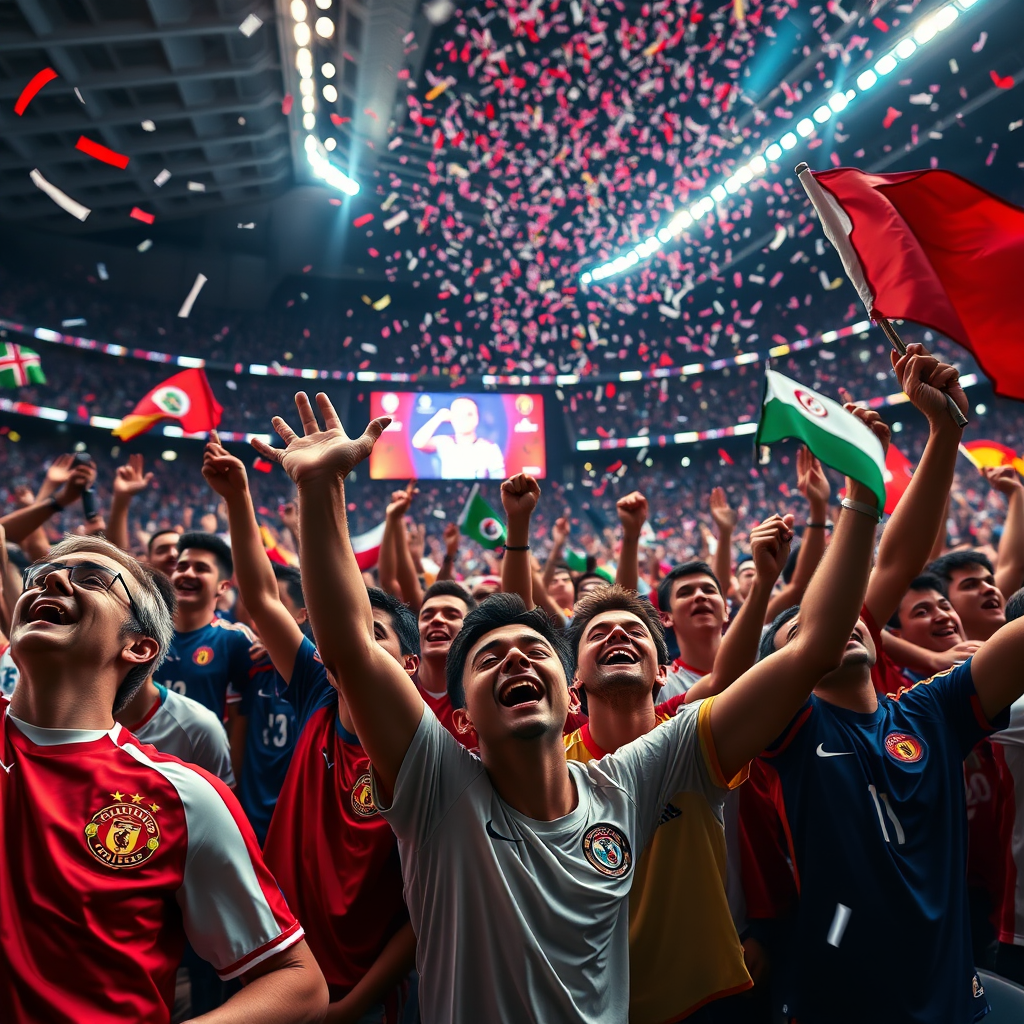
Verifying Official Updates vs Broadcast Speculation
Distinguishing confirmed fixture information from rumor requires tracing updates back to primary publication channels. UEFA’s official website publishes finalized calendars, draw results, and venue assignments immediately following administrative approvals. These documents carry legal weight for stadium operations, ticket sales, and broadcasting contracts. Any deviation from the published schedule triggers an official press release detailing the reason, affected parties, and revised logistics.
Club communications departments maintain parallel verification systems. Paris Saint-Germain’s media office confirms match preparations, training schedules, and ticket distribution windows through verified social media handles, press briefings, and accredited journalist portals. When a fixture changes, the club issues synchronized statements across all channels to prevent misinformation from spreading across fan communities and third-party aggregators.
Television broadcasters operate under separate contractual frameworks that sometimes create confusion. A network may announce a preferred kickoff time before receiving formal UEFA approval, leading to speculative headlines that later require correction. Reliable trackers cross-reference broadcaster announcements with official competition documents before publishing. Unverified sources frequently conflate regional broadcast preferences with actual matchday confirmations, resulting in inaccurate fan expectations.
Statistical platforms and sports data providers offer another layer of verification. These services pull directly from league databases, stadium authorities, and referee assignment records. They flag schedule modifications instantly, updating digital calendars, mobile applications, and live score feeds. Independent journalists who specialize in European competition coverage also publish weekly fixture audits, highlighting discrepancies between initial publications and updated timelines. Cross-referencing these four streams—UEFA documentation, club statements, broadcast confirmations, and statistical databases—ensures maximum accuracy when tracking Paris Saint-Germain’s Champions League itinerary.

Upcoming Scenarios & Potential Schedule Adjustments
As the competition progresses toward knockout stages, fixture compression becomes increasingly likely. Advanced teams face密集的 match schedules when domestic cups, league title races, and European ties converge. Coaches respond by implementing structured rotation policies, limiting training intensity midweek, and prioritizing recovery protocols over tactical drilling. Squad depth directly influences how smoothly clubs navigate congested periods without performance degradation.
Travel disruption remains a persistent variable. Long-haul flights to Eastern European or Scandinavian hosts require additional recovery days, prompting UEFA to occasionally schedule rest periods between matches. When conferences span multiple continents, physiological fatigue impacts sprint distances, pressing intensity, and defensive positioning accuracy. Performance analysts monitor GPS data, heart rate variability, and sleep quality metrics to adjust playing loads before critical fixtures.
Weather conditions introduce another adjustment layer. Heavy rain, snow, or extreme cold forces pitch maintenance crews to implement drainage improvements, heating systems, or surface replacements. Matches may delay start times by fifteen to thirty minutes while groundskeepers complete safety inspections. Broadcasters accept minor schedule slippage when stadium integrity takes priority, recognizing that compromised surfaces increase injury risks and degrade match quality.
Financial and regulatory factors occasionally reshape fixture distributions. UEFA enforces fair play monitoring, financial sustainability requirements, and licensing evaluations that influence tournament progression. Clubs exceeding budget parameters or violating competition regulations face sanctions that can alter qualification pathways, indirectly affecting schedule composition. Administrative reviews typically conclude before knockout stages begin, preventing mid-tournament disruptions that would compromise competitive balance.
Looking ahead, the most probable scenario involves gradual fixture intensification as knockout rounds eliminate lower-seeded opponents. Advanced clubs prepare contingency plans for triple-header weekends, alternate starting elevens, and emergency medical support teams stationed at every venue. Tactical flexibility replaces rigid formations, with managers deploying adaptive strategies that preserve physical reserves while maintaining attacking cohesion. The schedule itself remains stable; adaptation methods evolve rapidly in response to competitive pressure.

Frequently Asked Questions
- How far in advance does PSG publish Champions League travel itineraries? Standard departure schedules release ten to fourteen days before away fixtures, allowing flight bookings, hotel reservations, and ground transport coordination. Emergency matches or midweek schedule swaps compress this window to seventy-two hours.
- Why do some Champions League matches air on different days than originally listed? Television partners negotiate priority windows based on regional audience projections and advertising revenue. UEFA accommodates reasonable requests when they do not conflict with other major matches or stadium availability constraints.
- Can fans still purchase tickets after a fixture schedule change? Yes. Stadium authorities issue supplementary allocation batches when relocated or rescheduled matches retain original seating inventory. Verified ticketing portals update availability within twenty-four hours of official confirmation.
- Do players receive extra rest days when traveling across time zones? UEFA mandates minimum recovery periods regardless of distance, but clubs voluntarily extend rest windows for long-haul journeys. Performance staff adjust training volume, nutrition timing, and sleep optimization protocols to compensate for circadian rhythm disruption.
- Where can supporters find real-time verification of schedule modifications? Primary sources include the official UEFA competition calendar, Paris Saint-Germain’s accredited media channels, and licensed sports data platforms. Secondary aggregator sites should be cross-checked against these origins before sharing updates.
Action Checklist for Fans & Supporters
- Bookmark the official UEFA matchday calendar and enable notification settings for Paris Saint-Germain fixture alerts.
- Verify kickoff times against regional broadcast schedules before purchasing tickets or planning viewing sessions.
- Cross-reference any announced schedule changes with club press releases and independent sports databases to filter speculation from confirmation.
- Book transportation and accommodation early when attending away matches, allowing buffer days for potential venue relocations or delayed travel authorizations.
- Monitor stadium safety guidelines and local weather forecasts forty-eight hours before matchday to anticipate possible start-time adjustments or entry procedure updates.
- Engage with verified club supporter groups to share logistical tips, crowd management advice, and post-match transit options without relying on unmoderated forums.
- Track performance reports and injury updates through official medical bulletins rather than tabloid speculation, ensuring accurate expectations for lineup availability.
- Respect local hosting regulations and public transport timetables when attending stadium events, reducing congestion delays and ensuring safe return routing.
- Archive confirmation screenshots or PDF receipts for ticket purchases, travel bookings, and membership registrations in case of digital system outages or payment reversals.
- Participate responsibly in football culture by prioritizing attendance safety, venue conduct standards, and respectful fan interactions throughout the competition cycle.