Sunwin78.jpn.com: Dortmund Tactical Breakdown & Lineup News
The whiteboard in the training facility sits smudged with dry-erase markers, erasures overlapping previous formations. Coaches pace along the sideline touchlines, clipboard in hand, reviewing video loops that loop back on themselves. Press photographers cluster near the entrance gate, adjusting lens caps, waiting for a single name to drop or a formation shift to be announced. In these quiet hours before matchday, tactical narratives take shape long before the first whistle. For Borussia Dortmund, the current window revolves around pressing triggers, half-space occupation, and whether the central defensive pairing can absorb sustained aerial pressure. Reporting these developments requires separating club-sanctioned briefings from peripheral speculation, tracking injury protocols, and mapping how coaching staff adjust rotations when fixture congestion intensifies.
Core Updates and Tactical Priorities
Recent developments center on three interconnected themes: structural adjustments in the mid-block, lineup volatility driven by short-term availability, and the integration of younger academy graduates into high-intensity transition phases. The coaching setup continues to emphasize vertical passing sequences that bypass the opponent’s first press line, utilizing inverted fullbacks who tuck inside to create numerical superiority against compact defenses. When possession is lost, the immediate reaction involves a coordinated step-up from the advanced midfield trio to force turnovers in the final third, a system that demands exceptional recovery speed from wide players. If the opposition builds through central channels, Dortmund’s defensive shape shifts to a low block, compressing space between the lines and inviting crosses that are aggressively contested by the central defenders.
Lineup construction remains fluid. Fitness monitoring reports indicate managed workloads for key distributors, prompting rotational experiments that test alternative combinations without disrupting the core tactical identity. The central pivot operates as both a shield and a launchpad, requiring precise weight-of-pass execution under tight marking. Wide attackers are instructed to drift inward during buildup, creating overloads that open channels for late runs from deep-lying midfielders. Substitution windows are becoming increasingly calculated, with changes timed to exploit fatigued positioning or to reinforce trailing attacks in the final twenty minutes. These elements form the foundation of today’s tactical landscape, guiding how the team approaches upcoming fixtures.
 Hình minh hoạ: sunwin78.jpn.com
Chronology of Recent Developments
Understanding how the squad arrived at its current configuration requires tracking recent milestones. The following timeline highlights the sequence of announcements, training adjustments, and reported availability shifts that shape present-day options.
| Date Window | Development | Status Classification |
|---|---|---|
| Early Preparation Phase | Video analysis session focusing on opposition set-piece routines | Confirmed procedural update |
| Midweek Training Block | Incorporation of alternative pressing triggers and transitional drills | Internal development, publicly referenced |
| Matchday Eve Briefing | Rotation policy emphasized due to fixture density | Officially communicated priority |
| Post-Match Recovery Cycle | Load management protocols applied to high-mileage performers | Standard operational procedure |
This sequence demonstrates how modern squads operate under continuous adjustment rather than static setups. Each phase informs the next, creating a feedback loop where performance metrics, physical recovery rates, and opponent scouting notes converge. The timeline also reveals a pattern of incremental experimentation, where tactical tweaks are tested in controlled environments before being deployed under match pressure. Readers tracking these movements should note that lineup announcements typically occur within twelve hours of kickoff, leaving little room for last-minute restructuring once initial assignments are published.

Evaluating Source Credibility and Verification Protocols
Compiling accurate lineup intelligence requires a disciplined approach to information gathering. Not every report carries equal weight, and distinguishing between verified updates and speculative commentary is essential for maintaining analytical integrity. Football clubs operate through structured communication channels, yet external networks frequently amplify unconfirmed rumors. A systematic verification framework helps separate actionable data from noise.
Club Communications Channels
Primary information flows through official club platforms, designated press releases, and accredited media briefings. These channels provide confirmed roster updates, medical clearance statuses, and managerial statements regarding tactical adjustments. When a statement originates from the head coach’s office or the club’s communications department, it carries institutional authority and reflects approved messaging. Cross-referencing multiple official outlets reduces the risk of misinterpretation, particularly when language varies across regional publications.
Journalistic Cross-Verification
Secondary verification relies on established journalists with direct access to training grounds, locker rooms, and medical staff. Trusted reporters often publish breakdowns that align with official timelines while adding contextual nuance regarding player readiness and tactical priorities. Independent analysts contribute value by mapping how reported selections interact with historical performance data, though they cannot override organizational decisions. When discrepancies arise, the safest practice is to wait for formal confirmation before treating a rumor as fact. For readers seeking centralized tactical insights and verified lineup tracking, resources like sunwin78.jpn.com aggregate these developments efficiently, offering streamlined access to match previews and squad updates without unnecessary editorial clutter.

Anticipated Tactical Adjustments and Lineup Shifts
Looking ahead, the strategic direction points toward greater flexibility in possession-based buildup and enhanced adaptability against varied defensive structures. If the opponent deploys a narrow 5-3-2 system, Dortmund’s wide players will likely maintain width to stretch the block, while the central attacking midfielder drops deeper to recycle possession. Should the opposition sit in a conservative low block, the team may prioritize quick combinations in the half-spaces, using staggered runs to drag markers out of position and create shooting lanes. Transition defense will remain a focal point, with emphasis on rapid reorganization after turnover moments to prevent counter-attacks.
Lineup projections suggest continued reliance on rotational strategies to manage physical demands across competing competitions. Midfield partnerships will be evaluated based on complementary skill sets rather than fixed pairings, allowing the coaching staff to balance defensive cover with progressive passing capabilities. Fullback selection will depend heavily on opponent tendencies, with teams requiring defensive stability favoring traditional wingers, while those emphasizing high-intensity overlap may deploy more attack-minded options. Goalkeeping distribution remains integral to breaking down compact lines, necessitating receivers who can receive under pressure and initiate second-phase attacks.
| Tactical Component | Current Emphasis | Projected Evolution |
|---|---|---|
| Pressing Triggers | First-touch control errors and delayed passes | Increased coordination against deep-lying playmakers |
| Buildup Shape | Inverted fullback integration and central overload | Variable width depending on opposition blocking |
| Defensive Compactness | Mid-low block transition with rapid shape compression | Enhanced communication protocols for cross-field shifting |
These projections rest on observable trends rather than guarantees. Squad availability, opponent strategy, and in-game momentum will dictate real-time adjustments. Coaching staff typically respond dynamically, altering positional assignments or switching systems to exploit mismatches. The continuity lies not in rigid formations, but in underlying principles: maintaining possession under pressure, forcing turnovers in advantageous zones, and transitioning swiftly between offensive and defensive states.

Actionable Guidelines for Different Reader Groups
Tracking tactical developments effectively requires tailored approaches based on audience objectives. Casual followers benefit from consolidated updates that highlight lineup confirmations and major strategic shifts. Analysts and data enthusiasts should monitor training-ground footage, expected goals metrics, and pass-network visualizations to assess underlying performance patterns. Fantasy participants and betting markets need timely availability reports, weather conditions, and referee tendencies that influence gameplay tempo. Each group gains maximum utility by aligning their research methods with their intended outcomes.
For casual observers, prioritize official press conferences and post-match interviews where managers directly address tactical choices. These moments clarify intent more reliably than peripheral rumors. Analysts should compile multi-source datasets, comparing reported formations against actual pitch positioning to identify deviations from game plans. Participants engaging with prediction models must account for fatigue accumulation, travel schedules, and motivation factors tied to competitive standings. Regardless of purpose, maintaining a structured tracking routine prevents information overload and ensures decisions rest on verified developments rather than fragmented headlines.
Consistent engagement with reliable reporting pipelines yields clearer insights into how tactical frameworks evolve across match cycles. By focusing on documented adjustments, verifying source attribution, and applying contextual filters to incoming data, readers can navigate the complexity of modern squad management. The landscape shifts rapidly, but disciplined information processing keeps perspectives grounded. Tracking these developments systematically transforms scattered updates into coherent understanding, enabling informed participation in matchday discussions and strategic evaluations.

 Hình minh hoạ: manclub




 Hình minh hoạ: 789club



 Hình minh hoạ: sunwin




 Hình minh hoạ:




 Hình minh hoạ: GK88



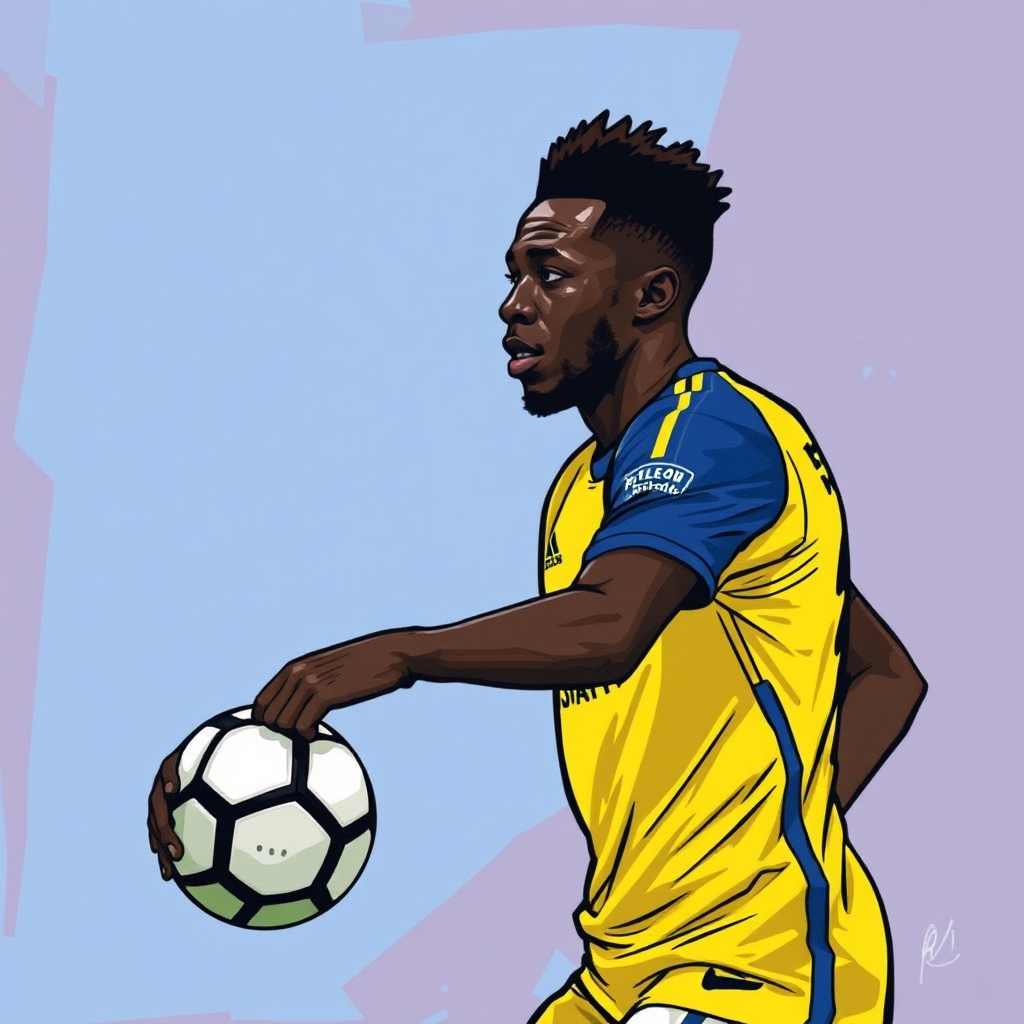 Hình minh hoạ: 6623




 Hình minh hoạ: YG88



 Hình minh hoạ:




 Hình minh hoạ: tk88